陳沛浩,男,三十四歲,從事藝術行政工作。其創作多以集體形式進行,並以K-Theory之名義發表。他沒有專用之工作室,家居或辦公室便是其創作空間。
陳沛浩雖然在中學時對美術科已有一定的興趣,卻沒有特意去發展,他坦言當時在這方面的表現亦並不突出,就算在升學方面,美術亦非必然的選擇,只可說是其中之可能性。在完成高等程度會考(High Level)課程,陳沛浩沒有考上大學,便嘗試報考當時理工學院的設計學系,然而沒有被取錄。之後他修讀高級程度(Advanced Level)會考課程,並考上當時城市理工學院,就讀工商管理,他不諱言這個選擇主要是基於對將來就業方面的實際考慮,興趣反為其次。
可是他在城市理工的學業成績並不理想,讀完兩年之後被勒令退學,未能把三年的課程完成。陳沛浩只得投身社會工作,但這接著的一年對他來說也不是容易;此外,雖然當時香港的就業機會不少,但他總覺需要把專上教育完成才能有更好的發展。一九八四年他報考當時的浸會學院並被取錄,修讀廣告及公共關係。
可是在課程開始之後,他卻發覺此非自己所喜歡的科目,但現在他會提醒自己必須好好的把學業完成,只是他發現自己對平面設計的興趣愈來愈大。畢業後,陳沛浩雖然沒有受過正式的平面設計訓練,卻決意投身這個行業,希望在工作中學習。
陳沛浩覺得工作環境對自己有著很大的影響,其事業的發展亦往往與此有關。他在設計行業工作了幾年,到了一九九二年《越界》雜誌的出現,卻為他帶來事業上的轉變。因為對《越界》的興趣,陳沛浩自薦為雜誌的平面設計師,剛巧他們需要人手,他便全職為《越界》工作。雖然只是工作了一年(《越界》的月刊時期),卻使他認識到當代藝術文化,接觸到不同的藝術工作者,促成他日後在藝術方面的發展。此外,他當時的上司李念慈在視覺元素方面的掌握,對他也有一定的影響。
九三年陳沛浩到香港理工大學設計學系任研究助理,他說研究是有關學生對視覺元素的感知,本身並不有趣,然而他很是欣賞在其工作環境裡與同事的相處,在短短的兩年裡與幾個志同道合的朋友有很深入的溝通,亦促成了創作組合K-Theory的成立。K-Theory最初的成員包括陳沛浩、黃啟裕(當時理工之助教)和連廣佳(理工攝影設計之畢業生),本是為了參與於九四年的當代香港藝術雙年展而成立。那年是雙年展首次明列增設裝置藝術組別,而他們正在探討集體創作的可能性,因為他們發覺這是以往在香港少有的。然而K-Theory並未入選雙年展,但在同年的第一屆香港裝置藝術節裡,他們就首次展出作品。
陳沛浩說K-Theory的創作形式基本上強調溝通和對藝術觀念的討論,而因為最初的成員都有相當的視覺方面的創作經驗,興趣亦相近,故在創作中從觀念發展到實在的視覺元素就頗為順利。又因為三位成員對影象都有相當的興趣,早階段的作品都有不少使用到攝影媒介,亦重視對視覺元素的鋪排。
K-Theory的第一件作品《安全距離》就是以十幅現成的影象,透過望遠鏡在畫廊的空間來觀看,他們嘗試探討的是在特定文化空間有關觀看的問題,當中涉及對物理距離和歷史距離的思考。而在裝置的過程中,他們亦發覺有關藝術作品展示的問題,原來其他藝術家都傾向把自己的作品展示得獨立於別的展品,而K-Theory把作品分散地穿插於整個展場,當介入其他作品的範圍時,卻引起一些藝術家異議。陳沛浩表示這雖然不是作品原本要表達的意念,但因為隨著過程的發展,他們最終透過裝置而挑戰了固有藝術空間的概念,並某程度上與其他作品產生互動,亦成為了作品的一部分。
陳沛浩表示K-Theory的創作其實並不執著於某些媒介,他相信「裝置」亦不應被看成一種類型藝術,他只覺得意念還是最重要的,為了表達得更理想,他們是可以不擇手段的。對於所謂展覽環境的考慮,他們亦較關注環境無形的社會、文化、歷史等意義,反而對現實的物理空間較少揣摩(九六年在「我哋嘅中國(香港版)」中的作品是少有較多考慮展出的物理環境,但陳沛浩覺得不很成功)。如在九五年的第二屆裝置藝術節裡,他們的作品《無上裝置》是嘗試質疑博物館對詮釋歷史的權威,他們虛構一段香港的歷史,然後製成展版和教育錦囊在藝穗會較輕鬆的環境展出,並任人挪取。但當這件作品在歌德學院的畫廊再次展出時,因為畫廊的空間漓漫著嚴肅的氣氛,為了針對這種權威的感覺,他們把原來很不嚴肅的作品欄起來,並播放宣稱這是藝術品的錄音。陳沛浩說這是他們對展覽空間轉換而構成不同詮釋的回應。
在理工的工作完結,陳沛浩轉到香港科技大學的藝術中心任節目統籌(Programme Organizer),主要負責執行統籌其上司榮念曾所策劃的活動。他說榮念曾對他實在有不小影響,主要在於對藝術建制的思考和態度;加上他自己一向不相信所謂高高在上的藝術(Art with captital “A”),對創作也不相信當中所謂的個性和主觀表現,所以K-Theory的創作議題也多集中於對博物館等集體文化建制中的政治思考。他補充謂這種創作取向,也跟自己的藝術行政工作有著密切的關係。
K-Theory在這階段的創作也更加理論性,與社會學背境的新成員鐘志良加入也有一些關係。然而因為要求更多理性的討論,陳沛浩覺得這時K-Theory成員之間的相處亦不容易,每次創作都必然有很多意見的分歧和長時間的爭辯。到了九七年,K-Theory的創作開始減少,成員之間的關係亦開始疏離。其上一個創作於九七年尾製作,參與的只有陳沛浩和後期加入的成員建築師鄧天齊,為一舞台裝置。陳沛浩說這算是K-Theory的另一階段,因為鄧的建築師背境,這時的創作又較多回到視覺元素的考慮,如何處理實在的展出環境亦為重要,當然,意念的表達始終是他們的首要課題。
因為對陳沛浩來說,創作是一理性的思考和分析活動,在實踐的過程裡,如物料的選擇主要視乎時間、技術和預算而定,而少有考慮主觀的偏好或品味。但他們有時候會因為實踐上的困難,而把原本的創作意念修改至可能的情況,這多牽涉技術層面。而他們在一般的展覽裡,只得很有限的經費,為了節省支出,多要自己親手製作,但這亦引起一些問題,因為成員中少有受過工業製造的訓練,當他們要求達到某些工業生產效果時,也許會出現一些不必要的手作痕跡。陳沛浩說他往往希望作品看來像工業產品多於傳統的藝術作品,如可能的話,他喜歡作品有讓人「不經人手製作」的感覺。
對於K-Theory的作品,陳沛浩自言對早期所創作的較為滿意,如首件作品《安全距離》,因為當時成員之間的緊密交流,令創作過程非常流暢;之後的《無上裝置》的合作也很順利,而作品在意念上之組織亦令他感到完整。至於陳沛浩個人所喜歡的藝術家,有Rebecca Horn,他說喜歡其想象力及作品中的詩意;另一方面,他欣賞藝術家對創作環境的反省,並關心當中的文化政治,如美國建築師/藝術家Diller + Scofidio的建築空間和動力裝置,常見他們對常民空間的關心,而General Idea經常批判藝術建制的概念性作品,也是陳沛浩所喜歡的。
不久前陳沛浩辭去了在科技大學的工作,一方面是覺得在那裡幹了四年,個人才能已有一定的發揮,不想再重覆下去;另一方面,他將全職營運新成立的非牟利藝術機構1a空間(他也是決策的委員之一)。對於自己的藝術行政工作,陳沛浩是感到滿意的,他覺得當中也要有一定的創作力,事實上,他並不認為只有藝術家製造藝術品才是創作。他亦覺得藝術工作者不應把自己在社會中的角色邊沿化,因為藝術生活只是眾多生活方式的其中之一,並不是必然地困難的。
而他眼見現時香港的藝術作品,未能完全融入社會,總讓他感到過濃波希米亞色彩。但他認為藝術發展是應該在社會內沁透和擴張,不過他亦擔心現時香港的經濟衰退會令文化發展更加困難。
此外,陳沛浩覺得香港的藝術環境不夠多元化,而展覽策劃人在這方面又有很大的影響。他覺得情況往往是一面倒,在「九七」前就甚為政治化,展覽的主題常與政治有關,之後卻一下子靜下來;又如藝術中心現在的發展則以社區藝術(community-oriented)為主,其他方面看來則次要。但他不覺得這就是香港藝術的真正面貌,正如「九七」前充斥著政治題材的作品,並沒有很多具有說服力,好像硬要用帆船來代表香港般表面。
不過陳沛浩亦坦言沒感到有明顯的香港藝術風格,然而對於香港藝術發展的整理,展覽策劃人是可有貢獻的,問題是太集中於少數人身上,不夠多元化,觀點就不夠立體。陳沛浩希望會多些不同觀點的展覽策劃人和藝術展覽空間出現,而且有更多人參與研究工作,令情況有所改善。
陳沛浩,男,三十四歲,從事藝術行政工作。其創作多以集體形式進行,並以K-Theory之名義發表。他沒有專用之工作室,家居或辦公室便是其創作空間。
陳沛浩雖然在中學時對美術科已有一定的興趣,卻沒有特意去發展,他坦言當時在這方面的表現亦並不突出,就算在升學方面,美術亦非必然的選擇,只可說是其中之可能性。在完成高等程度會考(High Level)課程,陳沛浩沒有考上大學,便嘗試報考當時理工學院的設計學系,然而沒有被取錄。之後他修讀高級程度(Advanced Level)會考課程,並考上當時城市理工學院,就讀工商管理,他不諱言這個選擇主要是基於對將來就業方面的實際考慮,興趣反為其次。
可是他在城市理工的學業成績並不理想,讀完兩年之後被勒令退學,未能把三年的課程完成。陳沛浩只得投身社會工作,但這接著的一年對他來說也不是容易;此外,雖然當時香港的就業機會不少,但他總覺需要把專上教育完成才能有更好的發展。一九八四年他報考當時的浸會學院並被取錄,修讀廣告及公共關係。
可是在課程開始之後,他卻發覺此非自己所喜歡的科目,但現在他會提醒自己必須好好的把學業完成,只是他發現自己對平面設計的興趣愈來愈大。畢業後,陳沛浩雖然沒有受過正式的平面設計訓練,卻決意投身這個行業,希望在工作中學習。
陳沛浩覺得工作環境對自己有著很大的影響,其事業的發展亦往往與此有關。他在設計行業工作了幾年,到了一九九二年《越界》雜誌的出現,卻為他帶來事業上的轉變。因為對《越界》的興趣,陳沛浩自薦為雜誌的平面設計師,剛巧他們需要人手,他便全職為《越界》工作。雖然只是工作了一年(《越界》的月刊時期),卻使他認識到當代藝術文化,接觸到不同的藝術工作者,促成他日後在藝術方面的發展。此外,他當時的上司李念慈在視覺元素方面的掌握,對他也有一定的影響。
九三年陳沛浩到香港理工大學設計學系任研究助理,他說研究是有關學生對視覺元素的感知,本身並不有趣,然而他很是欣賞在其工作環境裡與同事的相處,在短短的兩年裡與幾個志同道合的朋友有很深入的溝通,亦促成了創作組合K-Theory的成立。K-Theory最初的成員包括陳沛浩、黃啟裕(當時理工之助教)和連廣佳(理工攝影設計之畢業生),本是為了參與於九四年的當代香港藝術雙年展而成立。那年是雙年展首次明列增設裝置藝術組別,而他們正在探討集體創作的可能性,因為他們發覺這是以往在香港少有的。然而K-Theory並未入選雙年展,但在同年的第一屆香港裝置藝術節裡,他們就首次展出作品。
陳沛浩說K-Theory的創作形式基本上強調溝通和對藝術觀念的討論,而因為最初的成員都有相當的視覺方面的創作經驗,興趣亦相近,故在創作中從觀念發展到實在的視覺元素就頗為順利。又因為三位成員對影象都有相當的興趣,早階段的作品都有不少使用到攝影媒介,亦重視對視覺元素的鋪排。
K-Theory的第一件作品《安全距離》就是以十幅現成的影象,透過望遠鏡在畫廊的空間來觀看,他們嘗試探討的是在特定文化空間有關觀看的問題,當中涉及對物理距離和歷史距離的思考。而在裝置的過程中,他們亦發覺有關藝術作品展示的問題,原來其他藝術家都傾向把自己的作品展示得獨立於別的展品,而K-Theory把作品分散地穿插於整個展場,當介入其他作品的範圍時,卻引起一些藝術家異議。陳沛浩表示這雖然不是作品原本要表達的意念,但因為隨著過程的發展,他們最終透過裝置而挑戰了固有藝術空間的概念,並某程度上與其他作品產生互動,亦成為了作品的一部分。
陳沛浩表示K-Theory的創作其實並不執著於某些媒介,他相信「裝置」亦不應被看成一種類型藝術,他只覺得意念還是最重要的,為了表達得更理想,他們是可以不擇手段的。對於所謂展覽環境的考慮,他們亦較關注環境無形的社會、文化、歷史等意義,反而對現實的物理空間較少揣摩(九六年在「我哋嘅中國(香港版)」中的作品是少有較多考慮展出的物理環境,但陳沛浩覺得不很成功)。如在九五年的第二屆裝置藝術節裡,他們的作品《無上裝置》是嘗試質疑博物館對詮釋歷史的權威,他們虛構一段香港的歷史,然後製成展版和教育錦囊在藝穗會較輕鬆的環境展出,並任人挪取。但當這件作品在歌德學院的畫廊再次展出時,因為畫廊的空間漓漫著嚴肅的氣氛,為了針對這種權威的感覺,他們把原來很不嚴肅的作品欄起來,並播放宣稱這是藝術品的錄音。陳沛浩說這是他們對展覽空間轉換而構成不同詮釋的回應。
在理工的工作完結,陳沛浩轉到香港科技大學的藝術中心任節目統籌(Programme Organizer),主要負責執行統籌其上司榮念曾所策劃的活動。他說榮念曾對他實在有不小影響,主要在於對藝術建制的思考和態度;加上他自己一向不相信所謂高高在上的藝術(Art with captital “A”),對創作也不相信當中所謂的個性和主觀表現,所以K-Theory的創作議題也多集中於對博物館等集體文化建制中的政治思考。他補充謂這種創作取向,也跟自己的藝術行政工作有著密切的關係。
K-Theory在這階段的創作也更加理論性,與社會學背境的新成員鐘志良加入也有一些關係。然而因為要求更多理性的討論,陳沛浩覺得這時K-Theory成員之間的相處亦不容易,每次創作都必然有很多意見的分歧和長時間的爭辯。到了九七年,K-Theory的創作開始減少,成員之間的關係亦開始疏離。其上一個創作於九七年尾製作,參與的只有陳沛浩和後期加入的成員建築師鄧天齊,為一舞台裝置。陳沛浩說這算是K-Theory的另一階段,因為鄧的建築師背境,這時的創作又較多回到視覺元素的考慮,如何處理實在的展出環境亦為重要,當然,意念的表達始終是他們的首要課題。
因為對陳沛浩來說,創作是一理性的思考和分析活動,在實踐的過程裡,如物料的選擇主要視乎時間、技術和預算而定,而少有考慮主觀的偏好或品味。但他們有時候會因為實踐上的困難,而把原本的創作意念修改至可能的情況,這多牽涉技術層面。而他們在一般的展覽裡,只得很有限的經費,為了節省支出,多要自己親手製作,但這亦引起一些問題,因為成員中少有受過工業製造的訓練,當他們要求達到某些工業生產效果時,也許會出現一些不必要的手作痕跡。陳沛浩說他往往希望作品看來像工業產品多於傳統的藝術作品,如可能的話,他喜歡作品有讓人「不經人手製作」的感覺。
對於K-Theory的作品,陳沛浩自言對早期所創作的較為滿意,如首件作品《安全距離》,因為當時成員之間的緊密交流,令創作過程非常流暢;之後的《無上裝置》的合作也很順利,而作品在意念上之組織亦令他感到完整。至於陳沛浩個人所喜歡的藝術家,有Rebecca Horn,他說喜歡其想象力及作品中的詩意;另一方面,他欣賞藝術家對創作環境的反省,並關心當中的文化政治,如美國建築師/藝術家Diller + Scofidio的建築空間和動力裝置,常見他們對常民空間的關心,而General Idea經常批判藝術建制的概念性作品,也是陳沛浩所喜歡的。
不久前陳沛浩辭去了在科技大學的工作,一方面是覺得在那裡幹了四年,個人才能已有一定的發揮,不想再重覆下去;另一方面,他將全職營運新成立的非牟利藝術機構1a空間(他也是決策的委員之一)。對於自己的藝術行政工作,陳沛浩是感到滿意的,他覺得當中也要有一定的創作力,事實上,他並不認為只有藝術家製造藝術品才是創作。他亦覺得藝術工作者不應把自己在社會中的角色邊沿化,因為藝術生活只是眾多生活方式的其中之一,並不是必然地困難的。
而他眼見現時香港的藝術作品,未能完全融入社會,總讓他感到過濃波希米亞色彩。但他認為藝術發展是應該在社會內沁透和擴張,不過他亦擔心現時香港的經濟衰退會令文化發展更加困難。
此外,陳沛浩覺得香港的藝術環境不夠多元化,而展覽策劃人在這方面又有很大的影響。他覺得情況往往是一面倒,在「九七」前就甚為政治化,展覽的主題常與政治有關,之後卻一下子靜下來;又如藝術中心現在的發展則以社區藝術(community-oriented)為主,其他方面看來則次要。但他不覺得這就是香港藝術的真正面貌,正如「九七」前充斥著政治題材的作品,並沒有很多具有說服力,好像硬要用帆船來代表香港般表面。
不過陳沛浩亦坦言沒感到有明顯的香港藝術風格,然而對於香港藝術發展的整理,展覽策劃人是可有貢獻的,問題是太集中於少數人身上,不夠多元化,觀點就不夠立體。陳沛浩希望會多些不同觀點的展覽策劃人和藝術展覽空間出現,而且有更多人參與研究工作,令情況有所改善。
Showing posts with label Hong Kong. Show all posts
Showing posts with label Hong Kong. Show all posts
Saturday, March 16, 2013
Howard Chan (1964-2013)
It was such a shocking news yesterday that Hong Kong artist/curator Howard Chan passed away. In the 90s I got to know him in different art exhibitions but in the last ten years our paths did not cross much. But from time to time I noticed his activities involved with the Community Museum Project, indeed more internationally than locally. He had so much to offer to the diversity of the Hong Kong art scene and should be known to more people today. In 1998, I did a long interview with him, that might be the last time I had long conversation with him. This interview was for research purpose and has never been published. I would like to share it here.
藝術家專訪 一九九八年十月十一日
 陳沛浩,男,三十四歲,從事藝術行政工作。其創作多以集體形式進行,並以K-Theory之名義發表。他沒有專用之工作室,家居或辦公室便是其創作空間。
陳沛浩雖然在中學時對美術科已有一定的興趣,卻沒有特意去發展,他坦言當時在這方面的表現亦並不突出,就算在升學方面,美術亦非必然的選擇,只可說是其中之可能性。在完成高等程度會考(High Level)課程,陳沛浩沒有考上大學,便嘗試報考當時理工學院的設計學系,然而沒有被取錄。之後他修讀高級程度(Advanced Level)會考課程,並考上當時城市理工學院,就讀工商管理,他不諱言這個選擇主要是基於對將來就業方面的實際考慮,興趣反為其次。
可是他在城市理工的學業成績並不理想,讀完兩年之後被勒令退學,未能把三年的課程完成。陳沛浩只得投身社會工作,但這接著的一年對他來說也不是容易;此外,雖然當時香港的就業機會不少,但他總覺需要把專上教育完成才能有更好的發展。一九八四年他報考當時的浸會學院並被取錄,修讀廣告及公共關係。
可是在課程開始之後,他卻發覺此非自己所喜歡的科目,但現在他會提醒自己必須好好的把學業完成,只是他發現自己對平面設計的興趣愈來愈大。畢業後,陳沛浩雖然沒有受過正式的平面設計訓練,卻決意投身這個行業,希望在工作中學習。
陳沛浩覺得工作環境對自己有著很大的影響,其事業的發展亦往往與此有關。他在設計行業工作了幾年,到了一九九二年《越界》雜誌的出現,卻為他帶來事業上的轉變。因為對《越界》的興趣,陳沛浩自薦為雜誌的平面設計師,剛巧他們需要人手,他便全職為《越界》工作。雖然只是工作了一年(《越界》的月刊時期),卻使他認識到當代藝術文化,接觸到不同的藝術工作者,促成他日後在藝術方面的發展。此外,他當時的上司李念慈在視覺元素方面的掌握,對他也有一定的影響。
九三年陳沛浩到香港理工大學設計學系任研究助理,他說研究是有關學生對視覺元素的感知,本身並不有趣,然而他很是欣賞在其工作環境裡與同事的相處,在短短的兩年裡與幾個志同道合的朋友有很深入的溝通,亦促成了創作組合K-Theory的成立。K-Theory最初的成員包括陳沛浩、黃啟裕(當時理工之助教)和連廣佳(理工攝影設計之畢業生),本是為了參與於九四年的當代香港藝術雙年展而成立。那年是雙年展首次明列增設裝置藝術組別,而他們正在探討集體創作的可能性,因為他們發覺這是以往在香港少有的。然而K-Theory並未入選雙年展,但在同年的第一屆香港裝置藝術節裡,他們就首次展出作品。
陳沛浩說K-Theory的創作形式基本上強調溝通和對藝術觀念的討論,而因為最初的成員都有相當的視覺方面的創作經驗,興趣亦相近,故在創作中從觀念發展到實在的視覺元素就頗為順利。又因為三位成員對影象都有相當的興趣,早階段的作品都有不少使用到攝影媒介,亦重視對視覺元素的鋪排。
K-Theory的第一件作品《安全距離》就是以十幅現成的影象,透過望遠鏡在畫廊的空間來觀看,他們嘗試探討的是在特定文化空間有關觀看的問題,當中涉及對物理距離和歷史距離的思考。而在裝置的過程中,他們亦發覺有關藝術作品展示的問題,原來其他藝術家都傾向把自己的作品展示得獨立於別的展品,而K-Theory把作品分散地穿插於整個展場,當介入其他作品的範圍時,卻引起一些藝術家異議。陳沛浩表示這雖然不是作品原本要表達的意念,但因為隨著過程的發展,他們最終透過裝置而挑戰了固有藝術空間的概念,並某程度上與其他作品產生互動,亦成為了作品的一部分。
陳沛浩表示K-Theory的創作其實並不執著於某些媒介,他相信「裝置」亦不應被看成一種類型藝術,他只覺得意念還是最重要的,為了表達得更理想,他們是可以不擇手段的。對於所謂展覽環境的考慮,他們亦較關注環境無形的社會、文化、歷史等意義,反而對現實的物理空間較少揣摩(九六年在「我哋嘅中國(香港版)」中的作品是少有較多考慮展出的物理環境,但陳沛浩覺得不很成功)。如在九五年的第二屆裝置藝術節裡,他們的作品《無上裝置》是嘗試質疑博物館對詮釋歷史的權威,他們虛構一段香港的歷史,然後製成展版和教育錦囊在藝穗會較輕鬆的環境展出,並任人挪取。但當這件作品在歌德學院的畫廊再次展出時,因為畫廊的空間漓漫著嚴肅的氣氛,為了針對這種權威的感覺,他們把原來很不嚴肅的作品欄起來,並播放宣稱這是藝術品的錄音。陳沛浩說這是他們對展覽空間轉換而構成不同詮釋的回應。
在理工的工作完結,陳沛浩轉到香港科技大學的藝術中心任節目統籌(Programme Organizer),主要負責執行統籌其上司榮念曾所策劃的活動。他說榮念曾對他實在有不小影響,主要在於對藝術建制的思考和態度;加上他自己一向不相信所謂高高在上的藝術(Art with captital “A”),對創作也不相信當中所謂的個性和主觀表現,所以K-Theory的創作議題也多集中於對博物館等集體文化建制中的政治思考。他補充謂這種創作取向,也跟自己的藝術行政工作有著密切的關係。
K-Theory在這階段的創作也更加理論性,與社會學背境的新成員鐘志良加入也有一些關係。然而因為要求更多理性的討論,陳沛浩覺得這時K-Theory成員之間的相處亦不容易,每次創作都必然有很多意見的分歧和長時間的爭辯。到了九七年,K-Theory的創作開始減少,成員之間的關係亦開始疏離。其上一個創作於九七年尾製作,參與的只有陳沛浩和後期加入的成員建築師鄧天齊,為一舞台裝置。陳沛浩說這算是K-Theory的另一階段,因為鄧的建築師背境,這時的創作又較多回到視覺元素的考慮,如何處理實在的展出環境亦為重要,當然,意念的表達始終是他們的首要課題。
因為對陳沛浩來說,創作是一理性的思考和分析活動,在實踐的過程裡,如物料的選擇主要視乎時間、技術和預算而定,而少有考慮主觀的偏好或品味。但他們有時候會因為實踐上的困難,而把原本的創作意念修改至可能的情況,這多牽涉技術層面。而他們在一般的展覽裡,只得很有限的經費,為了節省支出,多要自己親手製作,但這亦引起一些問題,因為成員中少有受過工業製造的訓練,當他們要求達到某些工業生產效果時,也許會出現一些不必要的手作痕跡。陳沛浩說他往往希望作品看來像工業產品多於傳統的藝術作品,如可能的話,他喜歡作品有讓人「不經人手製作」的感覺。
對於K-Theory的作品,陳沛浩自言對早期所創作的較為滿意,如首件作品《安全距離》,因為當時成員之間的緊密交流,令創作過程非常流暢;之後的《無上裝置》的合作也很順利,而作品在意念上之組織亦令他感到完整。至於陳沛浩個人所喜歡的藝術家,有Rebecca Horn,他說喜歡其想象力及作品中的詩意;另一方面,他欣賞藝術家對創作環境的反省,並關心當中的文化政治,如美國建築師/藝術家Diller + Scofidio的建築空間和動力裝置,常見他們對常民空間的關心,而General Idea經常批判藝術建制的概念性作品,也是陳沛浩所喜歡的。
不久前陳沛浩辭去了在科技大學的工作,一方面是覺得在那裡幹了四年,個人才能已有一定的發揮,不想再重覆下去;另一方面,他將全職營運新成立的非牟利藝術機構1a空間(他也是決策的委員之一)。對於自己的藝術行政工作,陳沛浩是感到滿意的,他覺得當中也要有一定的創作力,事實上,他並不認為只有藝術家製造藝術品才是創作。他亦覺得藝術工作者不應把自己在社會中的角色邊沿化,因為藝術生活只是眾多生活方式的其中之一,並不是必然地困難的。
而他眼見現時香港的藝術作品,未能完全融入社會,總讓他感到過濃波希米亞色彩。但他認為藝術發展是應該在社會內沁透和擴張,不過他亦擔心現時香港的經濟衰退會令文化發展更加困難。
此外,陳沛浩覺得香港的藝術環境不夠多元化,而展覽策劃人在這方面又有很大的影響。他覺得情況往往是一面倒,在「九七」前就甚為政治化,展覽的主題常與政治有關,之後卻一下子靜下來;又如藝術中心現在的發展則以社區藝術(community-oriented)為主,其他方面看來則次要。但他不覺得這就是香港藝術的真正面貌,正如「九七」前充斥著政治題材的作品,並沒有很多具有說服力,好像硬要用帆船來代表香港般表面。
不過陳沛浩亦坦言沒感到有明顯的香港藝術風格,然而對於香港藝術發展的整理,展覽策劃人是可有貢獻的,問題是太集中於少數人身上,不夠多元化,觀點就不夠立體。陳沛浩希望會多些不同觀點的展覽策劃人和藝術展覽空間出現,而且有更多人參與研究工作,令情況有所改善。
陳沛浩,男,三十四歲,從事藝術行政工作。其創作多以集體形式進行,並以K-Theory之名義發表。他沒有專用之工作室,家居或辦公室便是其創作空間。
陳沛浩雖然在中學時對美術科已有一定的興趣,卻沒有特意去發展,他坦言當時在這方面的表現亦並不突出,就算在升學方面,美術亦非必然的選擇,只可說是其中之可能性。在完成高等程度會考(High Level)課程,陳沛浩沒有考上大學,便嘗試報考當時理工學院的設計學系,然而沒有被取錄。之後他修讀高級程度(Advanced Level)會考課程,並考上當時城市理工學院,就讀工商管理,他不諱言這個選擇主要是基於對將來就業方面的實際考慮,興趣反為其次。
可是他在城市理工的學業成績並不理想,讀完兩年之後被勒令退學,未能把三年的課程完成。陳沛浩只得投身社會工作,但這接著的一年對他來說也不是容易;此外,雖然當時香港的就業機會不少,但他總覺需要把專上教育完成才能有更好的發展。一九八四年他報考當時的浸會學院並被取錄,修讀廣告及公共關係。
可是在課程開始之後,他卻發覺此非自己所喜歡的科目,但現在他會提醒自己必須好好的把學業完成,只是他發現自己對平面設計的興趣愈來愈大。畢業後,陳沛浩雖然沒有受過正式的平面設計訓練,卻決意投身這個行業,希望在工作中學習。
陳沛浩覺得工作環境對自己有著很大的影響,其事業的發展亦往往與此有關。他在設計行業工作了幾年,到了一九九二年《越界》雜誌的出現,卻為他帶來事業上的轉變。因為對《越界》的興趣,陳沛浩自薦為雜誌的平面設計師,剛巧他們需要人手,他便全職為《越界》工作。雖然只是工作了一年(《越界》的月刊時期),卻使他認識到當代藝術文化,接觸到不同的藝術工作者,促成他日後在藝術方面的發展。此外,他當時的上司李念慈在視覺元素方面的掌握,對他也有一定的影響。
九三年陳沛浩到香港理工大學設計學系任研究助理,他說研究是有關學生對視覺元素的感知,本身並不有趣,然而他很是欣賞在其工作環境裡與同事的相處,在短短的兩年裡與幾個志同道合的朋友有很深入的溝通,亦促成了創作組合K-Theory的成立。K-Theory最初的成員包括陳沛浩、黃啟裕(當時理工之助教)和連廣佳(理工攝影設計之畢業生),本是為了參與於九四年的當代香港藝術雙年展而成立。那年是雙年展首次明列增設裝置藝術組別,而他們正在探討集體創作的可能性,因為他們發覺這是以往在香港少有的。然而K-Theory並未入選雙年展,但在同年的第一屆香港裝置藝術節裡,他們就首次展出作品。
陳沛浩說K-Theory的創作形式基本上強調溝通和對藝術觀念的討論,而因為最初的成員都有相當的視覺方面的創作經驗,興趣亦相近,故在創作中從觀念發展到實在的視覺元素就頗為順利。又因為三位成員對影象都有相當的興趣,早階段的作品都有不少使用到攝影媒介,亦重視對視覺元素的鋪排。
K-Theory的第一件作品《安全距離》就是以十幅現成的影象,透過望遠鏡在畫廊的空間來觀看,他們嘗試探討的是在特定文化空間有關觀看的問題,當中涉及對物理距離和歷史距離的思考。而在裝置的過程中,他們亦發覺有關藝術作品展示的問題,原來其他藝術家都傾向把自己的作品展示得獨立於別的展品,而K-Theory把作品分散地穿插於整個展場,當介入其他作品的範圍時,卻引起一些藝術家異議。陳沛浩表示這雖然不是作品原本要表達的意念,但因為隨著過程的發展,他們最終透過裝置而挑戰了固有藝術空間的概念,並某程度上與其他作品產生互動,亦成為了作品的一部分。
陳沛浩表示K-Theory的創作其實並不執著於某些媒介,他相信「裝置」亦不應被看成一種類型藝術,他只覺得意念還是最重要的,為了表達得更理想,他們是可以不擇手段的。對於所謂展覽環境的考慮,他們亦較關注環境無形的社會、文化、歷史等意義,反而對現實的物理空間較少揣摩(九六年在「我哋嘅中國(香港版)」中的作品是少有較多考慮展出的物理環境,但陳沛浩覺得不很成功)。如在九五年的第二屆裝置藝術節裡,他們的作品《無上裝置》是嘗試質疑博物館對詮釋歷史的權威,他們虛構一段香港的歷史,然後製成展版和教育錦囊在藝穗會較輕鬆的環境展出,並任人挪取。但當這件作品在歌德學院的畫廊再次展出時,因為畫廊的空間漓漫著嚴肅的氣氛,為了針對這種權威的感覺,他們把原來很不嚴肅的作品欄起來,並播放宣稱這是藝術品的錄音。陳沛浩說這是他們對展覽空間轉換而構成不同詮釋的回應。
在理工的工作完結,陳沛浩轉到香港科技大學的藝術中心任節目統籌(Programme Organizer),主要負責執行統籌其上司榮念曾所策劃的活動。他說榮念曾對他實在有不小影響,主要在於對藝術建制的思考和態度;加上他自己一向不相信所謂高高在上的藝術(Art with captital “A”),對創作也不相信當中所謂的個性和主觀表現,所以K-Theory的創作議題也多集中於對博物館等集體文化建制中的政治思考。他補充謂這種創作取向,也跟自己的藝術行政工作有著密切的關係。
K-Theory在這階段的創作也更加理論性,與社會學背境的新成員鐘志良加入也有一些關係。然而因為要求更多理性的討論,陳沛浩覺得這時K-Theory成員之間的相處亦不容易,每次創作都必然有很多意見的分歧和長時間的爭辯。到了九七年,K-Theory的創作開始減少,成員之間的關係亦開始疏離。其上一個創作於九七年尾製作,參與的只有陳沛浩和後期加入的成員建築師鄧天齊,為一舞台裝置。陳沛浩說這算是K-Theory的另一階段,因為鄧的建築師背境,這時的創作又較多回到視覺元素的考慮,如何處理實在的展出環境亦為重要,當然,意念的表達始終是他們的首要課題。
因為對陳沛浩來說,創作是一理性的思考和分析活動,在實踐的過程裡,如物料的選擇主要視乎時間、技術和預算而定,而少有考慮主觀的偏好或品味。但他們有時候會因為實踐上的困難,而把原本的創作意念修改至可能的情況,這多牽涉技術層面。而他們在一般的展覽裡,只得很有限的經費,為了節省支出,多要自己親手製作,但這亦引起一些問題,因為成員中少有受過工業製造的訓練,當他們要求達到某些工業生產效果時,也許會出現一些不必要的手作痕跡。陳沛浩說他往往希望作品看來像工業產品多於傳統的藝術作品,如可能的話,他喜歡作品有讓人「不經人手製作」的感覺。
對於K-Theory的作品,陳沛浩自言對早期所創作的較為滿意,如首件作品《安全距離》,因為當時成員之間的緊密交流,令創作過程非常流暢;之後的《無上裝置》的合作也很順利,而作品在意念上之組織亦令他感到完整。至於陳沛浩個人所喜歡的藝術家,有Rebecca Horn,他說喜歡其想象力及作品中的詩意;另一方面,他欣賞藝術家對創作環境的反省,並關心當中的文化政治,如美國建築師/藝術家Diller + Scofidio的建築空間和動力裝置,常見他們對常民空間的關心,而General Idea經常批判藝術建制的概念性作品,也是陳沛浩所喜歡的。
不久前陳沛浩辭去了在科技大學的工作,一方面是覺得在那裡幹了四年,個人才能已有一定的發揮,不想再重覆下去;另一方面,他將全職營運新成立的非牟利藝術機構1a空間(他也是決策的委員之一)。對於自己的藝術行政工作,陳沛浩是感到滿意的,他覺得當中也要有一定的創作力,事實上,他並不認為只有藝術家製造藝術品才是創作。他亦覺得藝術工作者不應把自己在社會中的角色邊沿化,因為藝術生活只是眾多生活方式的其中之一,並不是必然地困難的。
而他眼見現時香港的藝術作品,未能完全融入社會,總讓他感到過濃波希米亞色彩。但他認為藝術發展是應該在社會內沁透和擴張,不過他亦擔心現時香港的經濟衰退會令文化發展更加困難。
此外,陳沛浩覺得香港的藝術環境不夠多元化,而展覽策劃人在這方面又有很大的影響。他覺得情況往往是一面倒,在「九七」前就甚為政治化,展覽的主題常與政治有關,之後卻一下子靜下來;又如藝術中心現在的發展則以社區藝術(community-oriented)為主,其他方面看來則次要。但他不覺得這就是香港藝術的真正面貌,正如「九七」前充斥著政治題材的作品,並沒有很多具有說服力,好像硬要用帆船來代表香港般表面。
不過陳沛浩亦坦言沒感到有明顯的香港藝術風格,然而對於香港藝術發展的整理,展覽策劃人是可有貢獻的,問題是太集中於少數人身上,不夠多元化,觀點就不夠立體。陳沛浩希望會多些不同觀點的展覽策劃人和藝術展覽空間出現,而且有更多人參與研究工作,令情況有所改善。
陳沛浩,男,三十四歲,從事藝術行政工作。其創作多以集體形式進行,並以K-Theory之名義發表。他沒有專用之工作室,家居或辦公室便是其創作空間。
陳沛浩雖然在中學時對美術科已有一定的興趣,卻沒有特意去發展,他坦言當時在這方面的表現亦並不突出,就算在升學方面,美術亦非必然的選擇,只可說是其中之可能性。在完成高等程度會考(High Level)課程,陳沛浩沒有考上大學,便嘗試報考當時理工學院的設計學系,然而沒有被取錄。之後他修讀高級程度(Advanced Level)會考課程,並考上當時城市理工學院,就讀工商管理,他不諱言這個選擇主要是基於對將來就業方面的實際考慮,興趣反為其次。
可是他在城市理工的學業成績並不理想,讀完兩年之後被勒令退學,未能把三年的課程完成。陳沛浩只得投身社會工作,但這接著的一年對他來說也不是容易;此外,雖然當時香港的就業機會不少,但他總覺需要把專上教育完成才能有更好的發展。一九八四年他報考當時的浸會學院並被取錄,修讀廣告及公共關係。
可是在課程開始之後,他卻發覺此非自己所喜歡的科目,但現在他會提醒自己必須好好的把學業完成,只是他發現自己對平面設計的興趣愈來愈大。畢業後,陳沛浩雖然沒有受過正式的平面設計訓練,卻決意投身這個行業,希望在工作中學習。
陳沛浩覺得工作環境對自己有著很大的影響,其事業的發展亦往往與此有關。他在設計行業工作了幾年,到了一九九二年《越界》雜誌的出現,卻為他帶來事業上的轉變。因為對《越界》的興趣,陳沛浩自薦為雜誌的平面設計師,剛巧他們需要人手,他便全職為《越界》工作。雖然只是工作了一年(《越界》的月刊時期),卻使他認識到當代藝術文化,接觸到不同的藝術工作者,促成他日後在藝術方面的發展。此外,他當時的上司李念慈在視覺元素方面的掌握,對他也有一定的影響。
九三年陳沛浩到香港理工大學設計學系任研究助理,他說研究是有關學生對視覺元素的感知,本身並不有趣,然而他很是欣賞在其工作環境裡與同事的相處,在短短的兩年裡與幾個志同道合的朋友有很深入的溝通,亦促成了創作組合K-Theory的成立。K-Theory最初的成員包括陳沛浩、黃啟裕(當時理工之助教)和連廣佳(理工攝影設計之畢業生),本是為了參與於九四年的當代香港藝術雙年展而成立。那年是雙年展首次明列增設裝置藝術組別,而他們正在探討集體創作的可能性,因為他們發覺這是以往在香港少有的。然而K-Theory並未入選雙年展,但在同年的第一屆香港裝置藝術節裡,他們就首次展出作品。
陳沛浩說K-Theory的創作形式基本上強調溝通和對藝術觀念的討論,而因為最初的成員都有相當的視覺方面的創作經驗,興趣亦相近,故在創作中從觀念發展到實在的視覺元素就頗為順利。又因為三位成員對影象都有相當的興趣,早階段的作品都有不少使用到攝影媒介,亦重視對視覺元素的鋪排。
K-Theory的第一件作品《安全距離》就是以十幅現成的影象,透過望遠鏡在畫廊的空間來觀看,他們嘗試探討的是在特定文化空間有關觀看的問題,當中涉及對物理距離和歷史距離的思考。而在裝置的過程中,他們亦發覺有關藝術作品展示的問題,原來其他藝術家都傾向把自己的作品展示得獨立於別的展品,而K-Theory把作品分散地穿插於整個展場,當介入其他作品的範圍時,卻引起一些藝術家異議。陳沛浩表示這雖然不是作品原本要表達的意念,但因為隨著過程的發展,他們最終透過裝置而挑戰了固有藝術空間的概念,並某程度上與其他作品產生互動,亦成為了作品的一部分。
陳沛浩表示K-Theory的創作其實並不執著於某些媒介,他相信「裝置」亦不應被看成一種類型藝術,他只覺得意念還是最重要的,為了表達得更理想,他們是可以不擇手段的。對於所謂展覽環境的考慮,他們亦較關注環境無形的社會、文化、歷史等意義,反而對現實的物理空間較少揣摩(九六年在「我哋嘅中國(香港版)」中的作品是少有較多考慮展出的物理環境,但陳沛浩覺得不很成功)。如在九五年的第二屆裝置藝術節裡,他們的作品《無上裝置》是嘗試質疑博物館對詮釋歷史的權威,他們虛構一段香港的歷史,然後製成展版和教育錦囊在藝穗會較輕鬆的環境展出,並任人挪取。但當這件作品在歌德學院的畫廊再次展出時,因為畫廊的空間漓漫著嚴肅的氣氛,為了針對這種權威的感覺,他們把原來很不嚴肅的作品欄起來,並播放宣稱這是藝術品的錄音。陳沛浩說這是他們對展覽空間轉換而構成不同詮釋的回應。
在理工的工作完結,陳沛浩轉到香港科技大學的藝術中心任節目統籌(Programme Organizer),主要負責執行統籌其上司榮念曾所策劃的活動。他說榮念曾對他實在有不小影響,主要在於對藝術建制的思考和態度;加上他自己一向不相信所謂高高在上的藝術(Art with captital “A”),對創作也不相信當中所謂的個性和主觀表現,所以K-Theory的創作議題也多集中於對博物館等集體文化建制中的政治思考。他補充謂這種創作取向,也跟自己的藝術行政工作有著密切的關係。
K-Theory在這階段的創作也更加理論性,與社會學背境的新成員鐘志良加入也有一些關係。然而因為要求更多理性的討論,陳沛浩覺得這時K-Theory成員之間的相處亦不容易,每次創作都必然有很多意見的分歧和長時間的爭辯。到了九七年,K-Theory的創作開始減少,成員之間的關係亦開始疏離。其上一個創作於九七年尾製作,參與的只有陳沛浩和後期加入的成員建築師鄧天齊,為一舞台裝置。陳沛浩說這算是K-Theory的另一階段,因為鄧的建築師背境,這時的創作又較多回到視覺元素的考慮,如何處理實在的展出環境亦為重要,當然,意念的表達始終是他們的首要課題。
因為對陳沛浩來說,創作是一理性的思考和分析活動,在實踐的過程裡,如物料的選擇主要視乎時間、技術和預算而定,而少有考慮主觀的偏好或品味。但他們有時候會因為實踐上的困難,而把原本的創作意念修改至可能的情況,這多牽涉技術層面。而他們在一般的展覽裡,只得很有限的經費,為了節省支出,多要自己親手製作,但這亦引起一些問題,因為成員中少有受過工業製造的訓練,當他們要求達到某些工業生產效果時,也許會出現一些不必要的手作痕跡。陳沛浩說他往往希望作品看來像工業產品多於傳統的藝術作品,如可能的話,他喜歡作品有讓人「不經人手製作」的感覺。
對於K-Theory的作品,陳沛浩自言對早期所創作的較為滿意,如首件作品《安全距離》,因為當時成員之間的緊密交流,令創作過程非常流暢;之後的《無上裝置》的合作也很順利,而作品在意念上之組織亦令他感到完整。至於陳沛浩個人所喜歡的藝術家,有Rebecca Horn,他說喜歡其想象力及作品中的詩意;另一方面,他欣賞藝術家對創作環境的反省,並關心當中的文化政治,如美國建築師/藝術家Diller + Scofidio的建築空間和動力裝置,常見他們對常民空間的關心,而General Idea經常批判藝術建制的概念性作品,也是陳沛浩所喜歡的。
不久前陳沛浩辭去了在科技大學的工作,一方面是覺得在那裡幹了四年,個人才能已有一定的發揮,不想再重覆下去;另一方面,他將全職營運新成立的非牟利藝術機構1a空間(他也是決策的委員之一)。對於自己的藝術行政工作,陳沛浩是感到滿意的,他覺得當中也要有一定的創作力,事實上,他並不認為只有藝術家製造藝術品才是創作。他亦覺得藝術工作者不應把自己在社會中的角色邊沿化,因為藝術生活只是眾多生活方式的其中之一,並不是必然地困難的。
而他眼見現時香港的藝術作品,未能完全融入社會,總讓他感到過濃波希米亞色彩。但他認為藝術發展是應該在社會內沁透和擴張,不過他亦擔心現時香港的經濟衰退會令文化發展更加困難。
此外,陳沛浩覺得香港的藝術環境不夠多元化,而展覽策劃人在這方面又有很大的影響。他覺得情況往往是一面倒,在「九七」前就甚為政治化,展覽的主題常與政治有關,之後卻一下子靜下來;又如藝術中心現在的發展則以社區藝術(community-oriented)為主,其他方面看來則次要。但他不覺得這就是香港藝術的真正面貌,正如「九七」前充斥著政治題材的作品,並沒有很多具有說服力,好像硬要用帆船來代表香港般表面。
不過陳沛浩亦坦言沒感到有明顯的香港藝術風格,然而對於香港藝術發展的整理,展覽策劃人是可有貢獻的,問題是太集中於少數人身上,不夠多元化,觀點就不夠立體。陳沛浩希望會多些不同觀點的展覽策劃人和藝術展覽空間出現,而且有更多人參與研究工作,令情況有所改善。


Saturday, March 2, 2013

Monday, September 12, 2011
Szeto Keung (1948-2011)
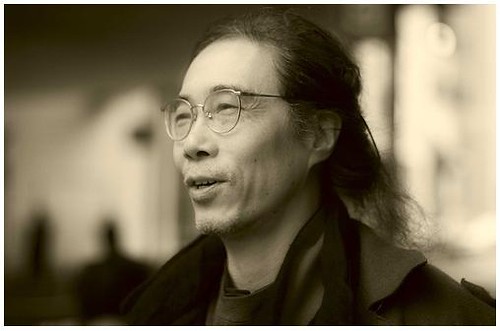
Photo: ©Travis Price
Szeto Keung, a mentor and a good friend passed away last week. One of the most popular figures in the Chinese artist community in New York in the last 30 some years, Szeto entered into the mainstream art world well before Chinese contemporary art was recognized. Represented by OK Harris as an artist for his own merit and not because of his ethnicity, he has been well respected by fellows of his generation and the younger. He was befriended with many Chinese artists and curators from Hong Kong, Taiwan and Mainland China, no matter well-known or unknown, for his very helpful and open-minded character. His studio in Spring Street was a meeting place and point of contacts for friends and acquaintance. Curious in different knowledges and Chinese cultures, Szeto was generous for conversations with elders or youngers.
I first met him in 1996 when he was the artist-in-residence in the Chinese University of Hong Kong where I was doing my MFA. Although he was very famous for his superrealist painting, I was impressed with his knowledge of Barthes and his insight in photography. As a student only, I was feeling so much encouraged by such a conversation in which you were fully respected as a mature artist. It was a brief encounter but impressing. Three years later I got an opportunity to reside in New York for 18 months. It was the time that I could really enjoy his humour and wisdom at the same time. As a walking dictionary for artists in New York City, his presence would always make you feel secure and easy. He could also exchange on many technical issues of art as well. Basically, I learnt how to operate a large format camera from him. I still use the camera that he used before.
With him, many nights in the diner round the corner of his studio where we had unlimited barely-drinkable watery coffee at 50 cents would just become joyful. He would also extend his social network for you, so you can survive many otherwise lonesome moments.
He might not want a label of Hong Kong artist on him but his importance in the Hong Kong contemporary art is unquestionable. He is always a good artist with substance and integrity. He is always missed.
A memorial will be held in the Eric Hotung Studio, Hong Kong Arts Centre on Sunday, September 18 at 7pm.
Friday, December 24, 2010
My top 10 exhibitions in Hong Kong
These days how do you rank exhibitions? I always found much easier to ask myself how much I remember of those shows by end of the year. So I also post my top 10 memorable shows in Hong Kong. (*Obviously there is a personal interest as those that I participated I would remember better!)

1. Hong Kong, Hong Kong: Works by Chu Hing Wah (HKU)
2. Culture(s) of Copy* (Goethe)
3. An Unexpected Turn of Events: Chen Shaoxiong and Tsuyoshi Ozawa (Osage)
4. Hong Kong Diary: Pak Sheung Chuen (HKMA)
5. Spectral Evidence (1a)
6. Tempestade/ Unwetter/ Tempest (Goethe)
7. Ho Sin-tung : Don't Shoot the Messenger (Hanart)
8. Runscape: Map Office (10Chancery)
9. Jompet.Third Realm (Para/Site)
10. Nadim Abbas: Cataract (Exit/Experimenta)
I might remember a couple more but it wouldn't be far away from that.

1. Hong Kong, Hong Kong: Works by Chu Hing Wah (HKU)
2. Culture(s) of Copy* (Goethe)
3. An Unexpected Turn of Events: Chen Shaoxiong and Tsuyoshi Ozawa (Osage)
4. Hong Kong Diary: Pak Sheung Chuen (HKMA)
5. Spectral Evidence (1a)
6. Tempestade/ Unwetter/ Tempest (Goethe)
7. Ho Sin-tung : Don't Shoot the Messenger (Hanart)
8. Runscape: Map Office (10Chancery)
9. Jompet.Third Realm (Para/Site)
10. Nadim Abbas: Cataract (Exit/Experimenta)
I might remember a couple more but it wouldn't be far away from that.
Thursday, July 15, 2010
We still need to fight
Said the representatives from the International Domestic Workers Network in front of the crowd outside the Legislative Council Building when the motion to amend the Minimum Wage Bill to cover domestic workers was just voted down in the council meeting on July 15, 2010.
Wednesday, May 27, 2009


Wednesday, February 25, 2009
Tuesday, November 25, 2008

Sunday, November 16, 2008

Wednesday, November 5, 2008
Good read of Fo Tan
An article by Michael Lee on the Wah Luen Industrial Centre where tens of studios are located.
Sunday, November 2, 2008

Wednesday, April 23, 2008
documenta 2012
Just found out Oscar Ho is a member of the selection committee of the next documenta artistic director. It should be a big thing for Hong Kong as there hasn't really been an artist from Hong Kong to exhibit in documenta. (Yan Lui who once lived in Hong Kong could almost be an exception.) At least, there is now a direct link to this mega exhibition from here besides holding the documenta magazine meeting in 2006.
Tuesday, March 25, 2008

Tuesday, February 26, 2008
What do you wish for the Asia's World City?
A growing list of wishes randomly made by anyone who is interested:
A beautiful, traditional Chinese Gardens like those in Suzhou
A better common sense on different things rather than just making money
A big central park like in NYC
A good outdoor music festival
A local art magazine with international perspective
A local movie magazine with international perspective
A more balanced governmental perspective not only focusing on economic growth but that can also see the value, which proactively supports a rich and diverse local cultural industry
A museum culture that's really inspiring but not this bureaucracy-minded shove.
A platform for researching, studying and exhibiting Asian cultures
A population reading good books, not just newspaper and magazines
A proper visual arts university
A public art gallery with a curatorial program to show the most cutting edge contemporary local and international work
A real national park with rangers preventing people from harming wildlife
A well equipped central library and laboratories for taking up research projects and lifelong education
A town square where people will gather and enjoy outdoor activities
Academic freedom
Accountable politicians
Active surrenderings (tribute to Jeanette Winterson)
Affordable housing for low-income people including artists, musicians, poets and martial artists, etc.
All the past, the present and the future visible in the city
An all female police force
An efficient, cheap and environment-friendly transport system
An end to civil servant run museums
An end to trailer fishing
An expressive environment
An independent public-funded Visual Arts Academy.
An interest in art
An ocean that we can swim in and air we can breathe
An opera house
Artificial nature
Artist in residency programs
Ban on all Styrofoam lunch boxes
Being a normal city
Better harbour protection
Better Mandarin language training
Bicycle lanes in the city
Big warehouse-type supermarkets
Career opportunities not only for painters but artists of all art forms
Cheaper Lychee Martinis
Clean air and unpolluted bodies of water
Clean and ecological toilet
Comprehensive social welfare system
Compulsory architecture courses for all real estate developers
Compulsory pay for plastic bags
Compulsory recycling programmes, particularly for glass
Conservation and preservation of historical sites, villages and farm fields
Control and regulation of the carbon emission from the Pearl River Delta
Cultural diversity
Culture
Curious minds
De-bureaucratization
Decent English bookshops
Decolonization
Democracy
Easier connections including cheaper flights to West and South Asia (India)
Easy access to the harbour which has to be enhanced
Education that encourages creative thinking - throughout primary and secondary level
English reinstated in schools as the common language of the world's business
Free from the Chinese Government's control
Free of MSG and promotion of organic food
Free university education
Good bands
Good Chinese newspaper
Good literary skills
Good museum bookshop
Grants for artist and curators from and to all over the world
Greater environmental consciousness
Green parks and open public spaces for dogs and children
Grit
Hakka museum
Heritage management model
Hong Kong New New Wave Cinema
International art biennial
International contemporary-only visual art fair
Investment in capital projects that build the infrastructure for technology development instead of Disneyland, only a theme park of very low service industries.
Jealousy free zones
Keeping the judicial system strong and just.
Legislation on “fair trade”, sex education and human rights issues
Less administrative-driven policies in different kinds and levels of institutions
Less construction and less digging of cables on the streets
Less gossip magazines
Less inflated housing/rental cost.
Less internet/media control and self-censorship
Less mobile phone talk in public places
Less slogans
Lively street cultures
Local collectors for Hong Kong art
Lots and lots of benches, everywhere, without partitions
Low costs round trip flights to and from Hong Kong
Maintaining low crime rate with better-paid policemen who are not prone to corruption
Mature and intelligent public administrators/politicians
Media of better quality
Minimalist government (just doing what essential)
Minimum wage
Mobile hot dog booths
More cinemas showing art house films
More curators
More education on not dumping clothes every season
More English: a Master of Fine Arts program in Writing at the universities
More funds for liberal arts education
More international news in local newspapers
More local contemporary artists' works shown
More Mexican restaurants
More of a place where is adequate time for history and memory, rather than a site for transients.
More professional and international standard film stars and singers
More programs for students to travel abroad to widen their horizons
More progressive experimental art making than profit-driven art practice
More public spaces
More respect for others’ privacy
More schools that promote creative and lateral thinking
More statistic and research for arts/social aspects
More types of curators
More vegetarian restaurants (for Buddhism and Hinduism are major philosophical /religious traditions in Asia).
Muffed but glowing mornings
Multiculturalism that can transcend racism
Museum of contemporary art
No calling ourselves 'cultural wasteland'
No discrimination against people from South East Asia or anyone whose skin is darker than Chinese
No earning money for earning more money
No gossips and rumors that some simply use as a sport to discredit honorable individuals
No more art with stupid Chinese laughing faces
No more big white elephants
No more East-meet-West cliché
No more high rises especially in already congested areas
No more highways and shopping malls
No more signs telling us what to do such as "this park is NON SMOKING!"
No more TV soap operas
No nationality as majority
No one pushing each other while walking on the street
Not only functional but stylish public facilities
Open and free minds
Pensions for the elderly to really live on
People-oriented development (of places)
Permanent and lively Stanley market
Polite taxi drivers
Political action on environmental protection
Promoting a culture of philanthropy especially to support the arts
Proper waste disposal into our waters to save our marine life
Public space that really allows people to interact
Quality art exhibitions
Quality gigs on the streets
Quality healthcare for all and paying government medical practitioners competitive salaries so they remain to serve the public
Quality museums
Rational debate
Real home-ownership
Real lawn for people to sit on
Rebuilding old architectures just like the ones in the good old days
Recycling construction materials
Requiring planting more trees in all new property developments and their surrounding
Respect and space for animals and plants
Revolutionists (in different aspects)
Rich arts and culture
Saving electricity at night
Self-criticism
Self-discipline
Sidewalk cafes
Simpler admission procedures for would-be migrants
Slow living
Smart and attractive architectural and urban design, particularly on waterfronts
Snow
Social and personal responsibilities to the elderly and children
Speaking foreign languages
Stronger protests
Sunsets in the east
Sustained funding of cultural bodies
Taxi drivers able to understand tourists in English
The Clock Tower
True blue sky
Universal suffrage
University admittance for all pass grades
Values that are less money-oriented
Wet markets permanent in Central
Working hard playing hard
World-class galleries
Yin-Yan' instead of 'Starbuck'
A beautiful, traditional Chinese Gardens like those in Suzhou
A better common sense on different things rather than just making money
A big central park like in NYC
A good outdoor music festival
A local art magazine with international perspective
A local movie magazine with international perspective
A more balanced governmental perspective not only focusing on economic growth but that can also see the value, which proactively supports a rich and diverse local cultural industry
A museum culture that's really inspiring but not this bureaucracy-minded shove.
A platform for researching, studying and exhibiting Asian cultures
A population reading good books, not just newspaper and magazines
A proper visual arts university
A public art gallery with a curatorial program to show the most cutting edge contemporary local and international work
A real national park with rangers preventing people from harming wildlife
A well equipped central library and laboratories for taking up research projects and lifelong education
A town square where people will gather and enjoy outdoor activities
Academic freedom
Accountable politicians
Active surrenderings (tribute to Jeanette Winterson)
Affordable housing for low-income people including artists, musicians, poets and martial artists, etc.
All the past, the present and the future visible in the city
An all female police force
An efficient, cheap and environment-friendly transport system
An end to civil servant run museums
An end to trailer fishing
An expressive environment
An independent public-funded Visual Arts Academy.
An interest in art
An ocean that we can swim in and air we can breathe
An opera house
Artificial nature
Artist in residency programs
Ban on all Styrofoam lunch boxes
Being a normal city
Better harbour protection
Better Mandarin language training
Bicycle lanes in the city
Big warehouse-type supermarkets
Career opportunities not only for painters but artists of all art forms
Cheaper Lychee Martinis
Clean air and unpolluted bodies of water
Clean and ecological toilet
Comprehensive social welfare system
Compulsory architecture courses for all real estate developers
Compulsory pay for plastic bags
Compulsory recycling programmes, particularly for glass
Conservation and preservation of historical sites, villages and farm fields
Control and regulation of the carbon emission from the Pearl River Delta
Cultural diversity
Culture
Curious minds
De-bureaucratization
Decent English bookshops
Decolonization
Democracy
Easier connections including cheaper flights to West and South Asia (India)
Easy access to the harbour which has to be enhanced
Education that encourages creative thinking - throughout primary and secondary level
English reinstated in schools as the common language of the world's business
Free from the Chinese Government's control
Free of MSG and promotion of organic food
Free university education
Good bands
Good Chinese newspaper
Good literary skills
Good museum bookshop
Grants for artist and curators from and to all over the world
Greater environmental consciousness
Green parks and open public spaces for dogs and children
Grit
Hakka museum
Heritage management model
Hong Kong New New Wave Cinema
International art biennial
International contemporary-only visual art fair
Investment in capital projects that build the infrastructure for technology development instead of Disneyland, only a theme park of very low service industries.
Jealousy free zones
Keeping the judicial system strong and just.
Legislation on “fair trade”, sex education and human rights issues
Less administrative-driven policies in different kinds and levels of institutions
Less construction and less digging of cables on the streets
Less gossip magazines
Less inflated housing/rental cost.
Less internet/media control and self-censorship
Less mobile phone talk in public places
Less slogans
Lively street cultures
Local collectors for Hong Kong art
Lots and lots of benches, everywhere, without partitions
Low costs round trip flights to and from Hong Kong
Maintaining low crime rate with better-paid policemen who are not prone to corruption
Mature and intelligent public administrators/politicians
Media of better quality
Minimalist government (just doing what essential)
Minimum wage
Mobile hot dog booths
More cinemas showing art house films
More curators
More education on not dumping clothes every season
More English: a Master of Fine Arts program in Writing at the universities
More funds for liberal arts education
More international news in local newspapers
More local contemporary artists' works shown
More Mexican restaurants
More of a place where is adequate time for history and memory, rather than a site for transients.
More professional and international standard film stars and singers
More programs for students to travel abroad to widen their horizons
More progressive experimental art making than profit-driven art practice
More public spaces
More respect for others’ privacy
More schools that promote creative and lateral thinking
More statistic and research for arts/social aspects
More types of curators
More vegetarian restaurants (for Buddhism and Hinduism are major philosophical /religious traditions in Asia).
Muffed but glowing mornings
Multiculturalism that can transcend racism
Museum of contemporary art
No calling ourselves 'cultural wasteland'
No discrimination against people from South East Asia or anyone whose skin is darker than Chinese
No earning money for earning more money
No gossips and rumors that some simply use as a sport to discredit honorable individuals
No more art with stupid Chinese laughing faces
No more big white elephants
No more East-meet-West cliché
No more high rises especially in already congested areas
No more highways and shopping malls
No more signs telling us what to do such as "this park is NON SMOKING!"
No more TV soap operas
No nationality as majority
No one pushing each other while walking on the street
Not only functional but stylish public facilities
Open and free minds
Pensions for the elderly to really live on
People-oriented development (of places)
Permanent and lively Stanley market
Polite taxi drivers
Political action on environmental protection
Promoting a culture of philanthropy especially to support the arts
Proper waste disposal into our waters to save our marine life
Public space that really allows people to interact
Quality art exhibitions
Quality gigs on the streets
Quality healthcare for all and paying government medical practitioners competitive salaries so they remain to serve the public
Quality museums
Rational debate
Real home-ownership
Real lawn for people to sit on
Rebuilding old architectures just like the ones in the good old days
Recycling construction materials
Requiring planting more trees in all new property developments and their surrounding
Respect and space for animals and plants
Revolutionists (in different aspects)
Rich arts and culture
Saving electricity at night
Self-criticism
Self-discipline
Sidewalk cafes
Simpler admission procedures for would-be migrants
Slow living
Smart and attractive architectural and urban design, particularly on waterfronts
Snow
Social and personal responsibilities to the elderly and children
Speaking foreign languages
Stronger protests
Sunsets in the east
Sustained funding of cultural bodies
Taxi drivers able to understand tourists in English
The Clock Tower
True blue sky
Universal suffrage
University admittance for all pass grades
Values that are less money-oriented
Wet markets permanent in Central
Working hard playing hard
World-class galleries
Yin-Yan' instead of 'Starbuck'
Subscribe to:
Posts (Atom)